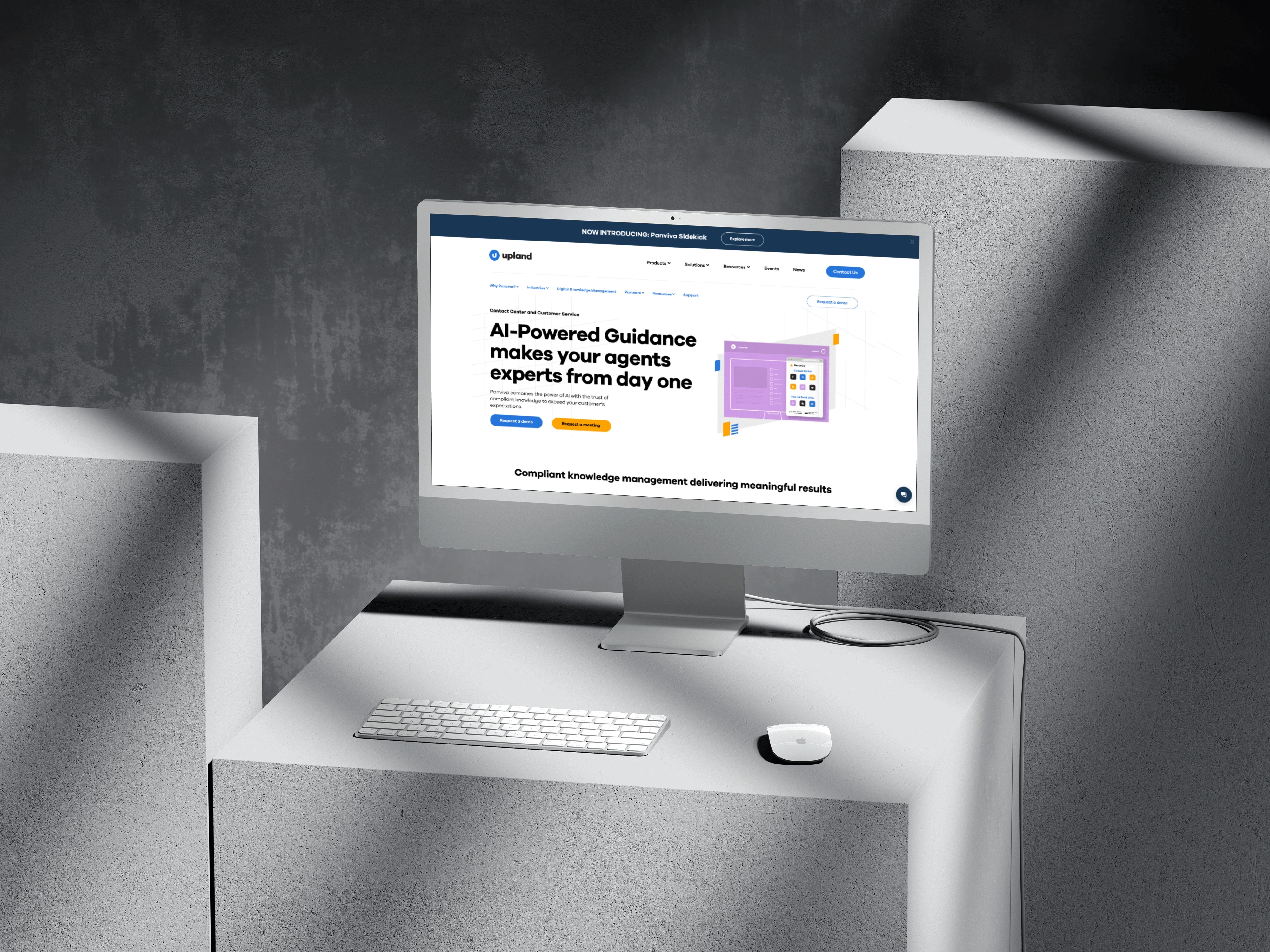
IAG's Chroma Design System
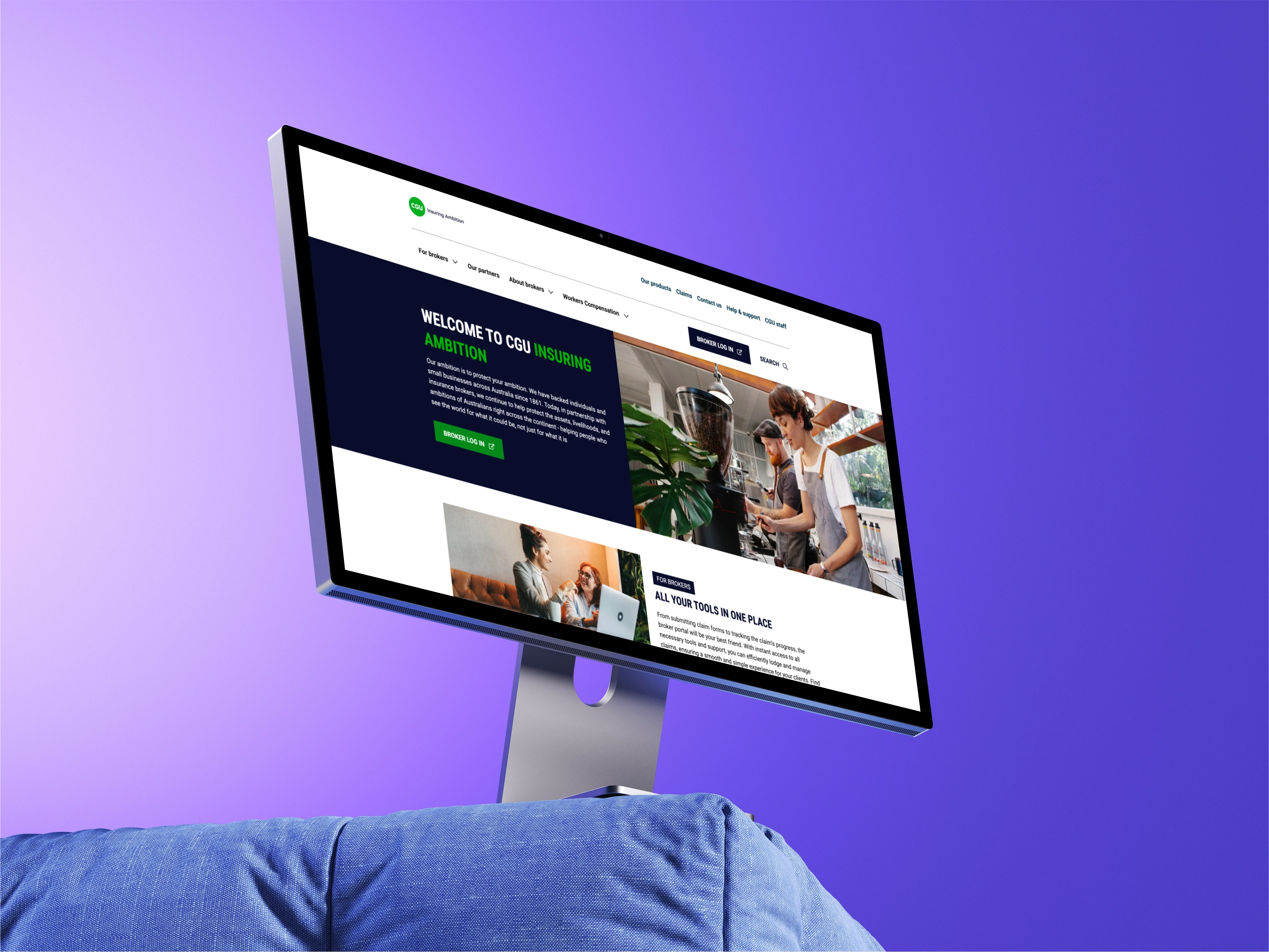
When I joined IAG, the challenge was clear. We needed to create a scalable design system that could power 12 brands, including NRMA, CGU, and RACV, while reducing complexity for both designers and engineers. I led the initiative end to end, shaping the strategy, implementation, and governance that transformed scattered libraries into a unified, tokenised system.
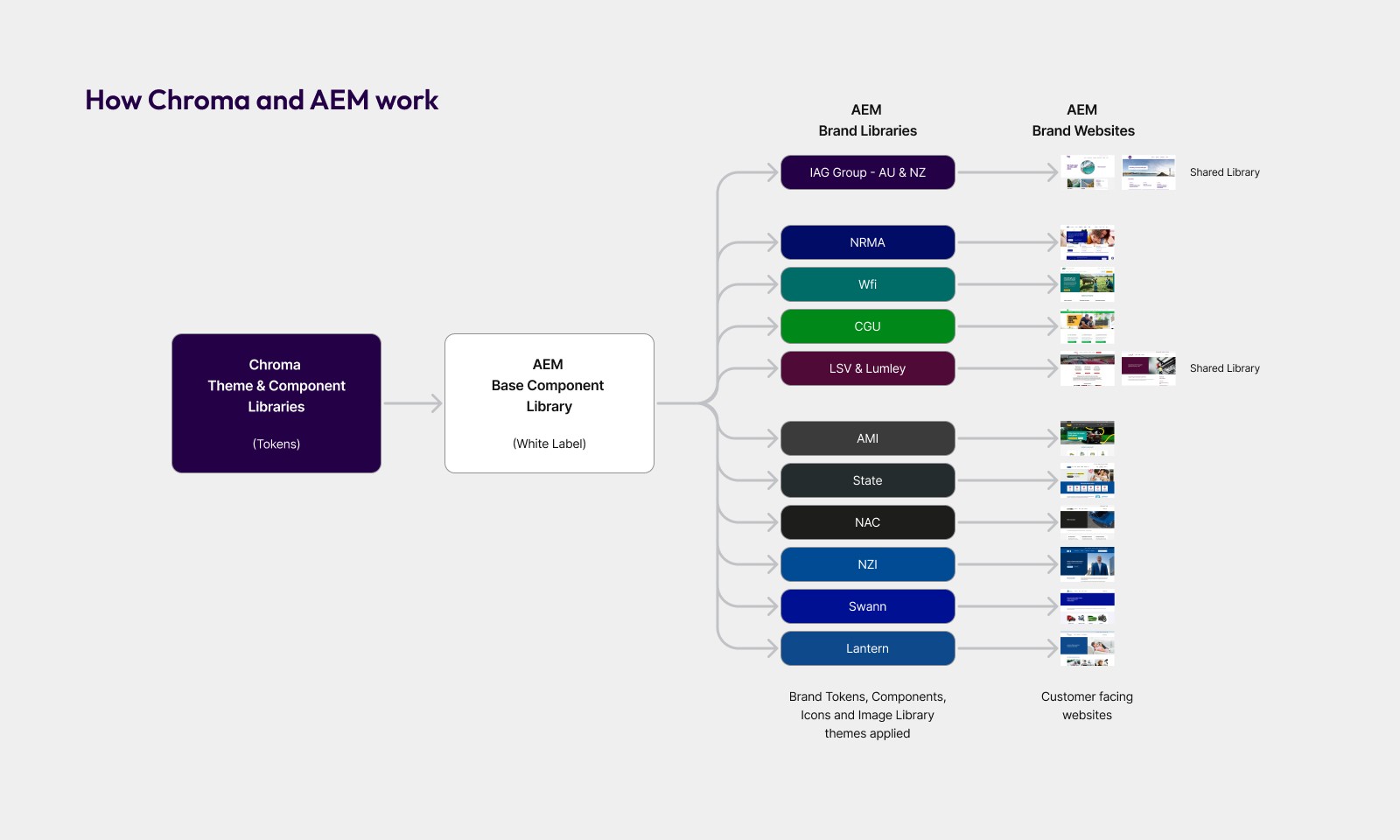
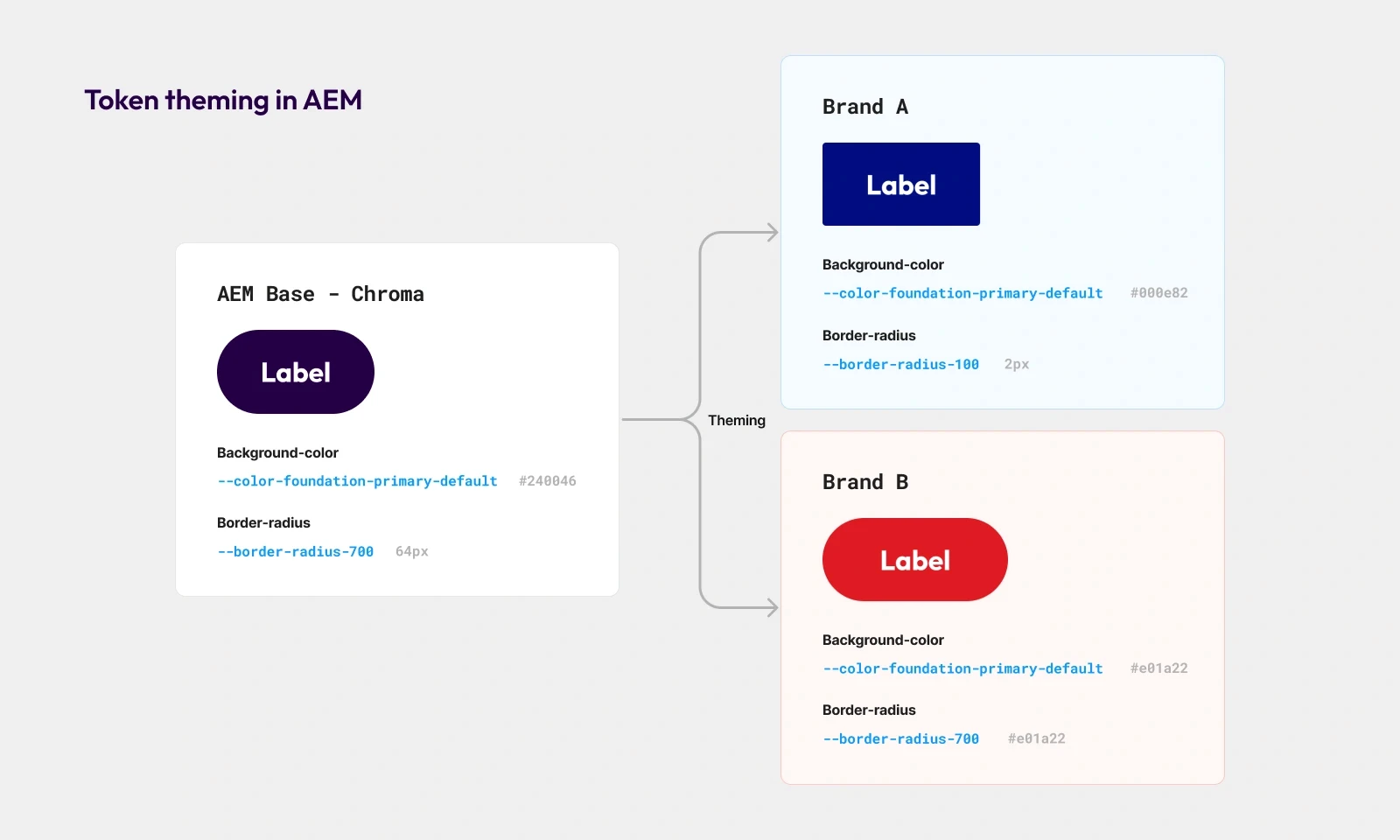
Tokenisation: Simplifying Complexity at Scale
We began by auditing thousands of style decisions across brands and converting them into a tokenised model. By consolidating over 1,200 tokens down to 348, we achieved:
99 percent sync between Figma and code libraries
Faster cross brand updates, where a single token change could cascade consistently across multiple products
A foundation for accessibility and theming, ensuring colour contrast, typography, and spacing worked across diverse digital experiences
Tokenisation gave us a single source of truth, but more importantly, it created the flexibility to respect brand individuality while still enforcing system level consistency.
Process: Designed for Collaboration
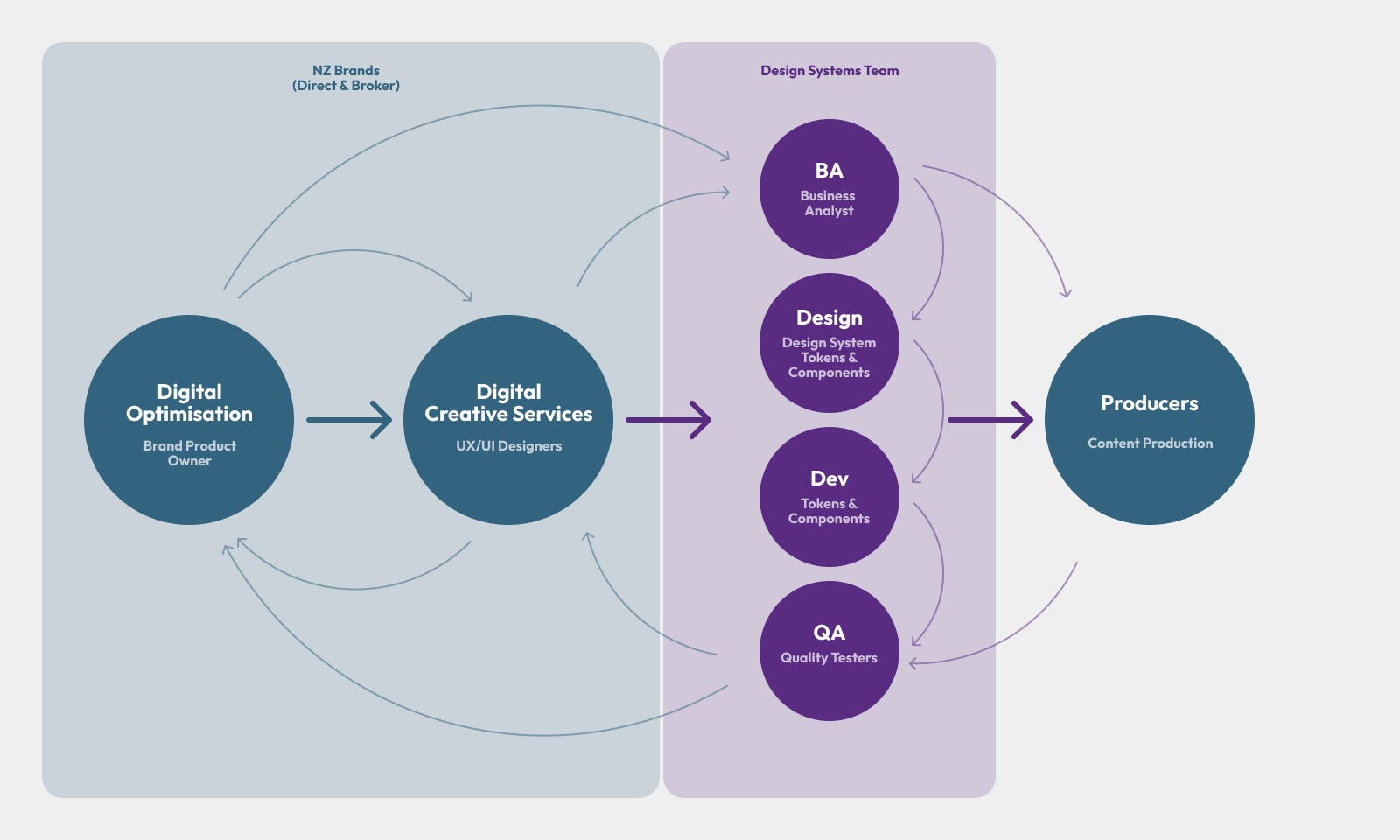
We built the system with collaboration at its core. Using Figma variables, Storybook, and integrated pipelines, I established a workflow where:
Designers worked with structured component libraries tied directly to engineering tokens
Engineers consumed JSON token exports, which removed ambiguity in handoff
Both teams iterated within a design to code pipeline that prioritised speed without compromising quality
The process turned the design system into a living bridge between design and development rather than just a set of guidelines.
Governance: Keeping the System Healthy
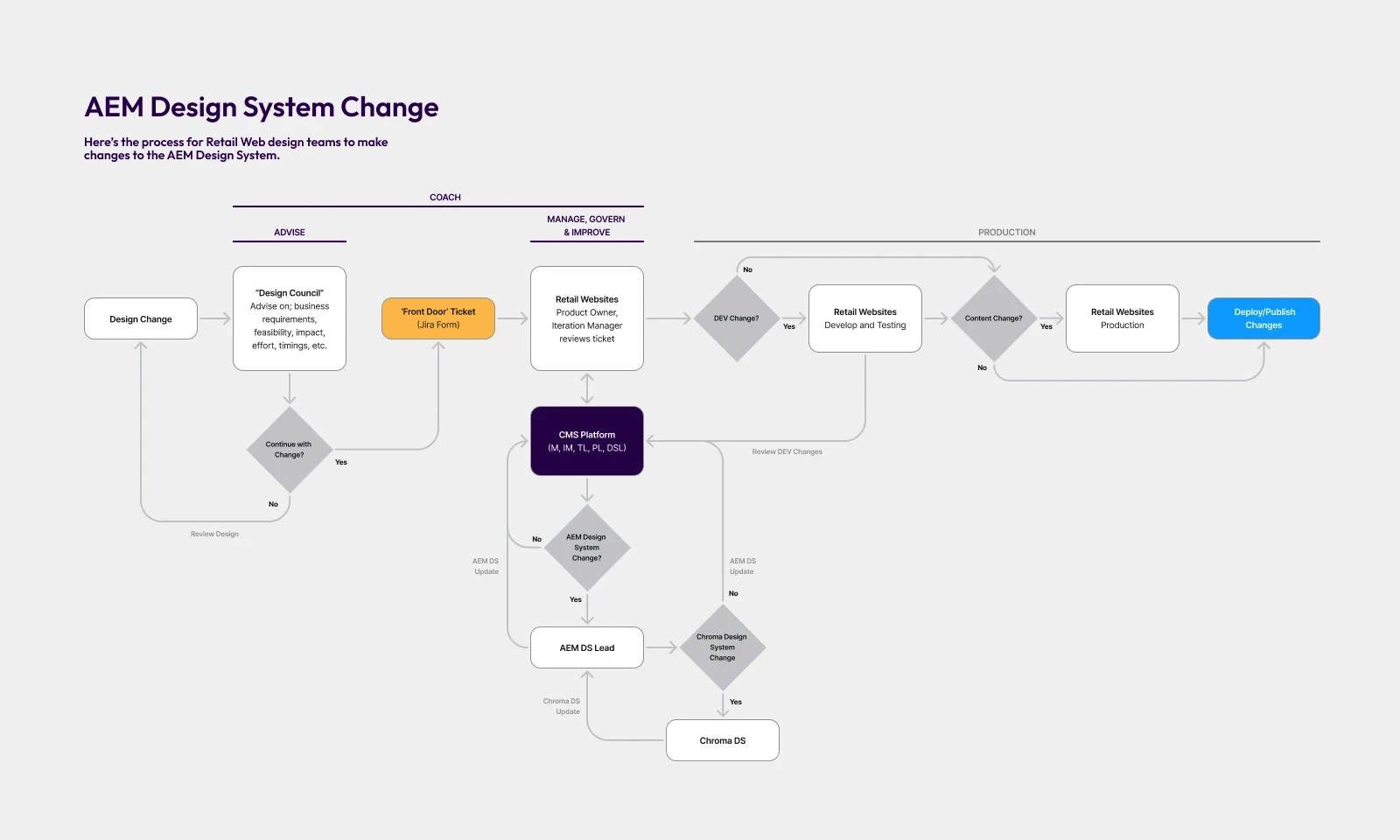
A design system is never static. I introduced governance practices to ensure its long term sustainability:
A contribution model with clear steps for proposing and approving new components
Versioning to manage updates and help teams adopt changes without breaking existing implementations
A documentation hub that served as a self service guide, streamlining onboarding and encouraging consistent adoption across brands
By embedding governance, we ensured the system could grow alongside new features, teams, and business needs.
Impact: Consistency, Speed, and Brand Cohesion
The outcome was a design system that not only streamlined workflows but also empowered teams. Designers could prototype faster, developers shipped UI with fewer defects, and stakeholders had confidence in cross brand consistency. Most importantly, the system reduced operational drag, allowing teams to focus on delivering higher value customer experiences instead of reinventing patterns.
Closing Reflection
Design systems succeed when they balance structure with flexibility, and governance with growth. At IAG, I drove this balance by leading the strategy, execution, and adoption of a tokenised design system that continues to scale with the business and its brands.
date published
Jun 30, 2024
reading time
Powering multi-brand websites for NRMA, CGU, NZI and more
.see also