Industry
Agriweb
Client
Atlas Carbon
Empowering Farmers with Smarter, Simpler Tools
Empowering Farmers with Smarter, Simpler Tools
From Paddocks to Pixels: Why This Project Mattered
From Paddocks to Pixels: Why This Project Mattered
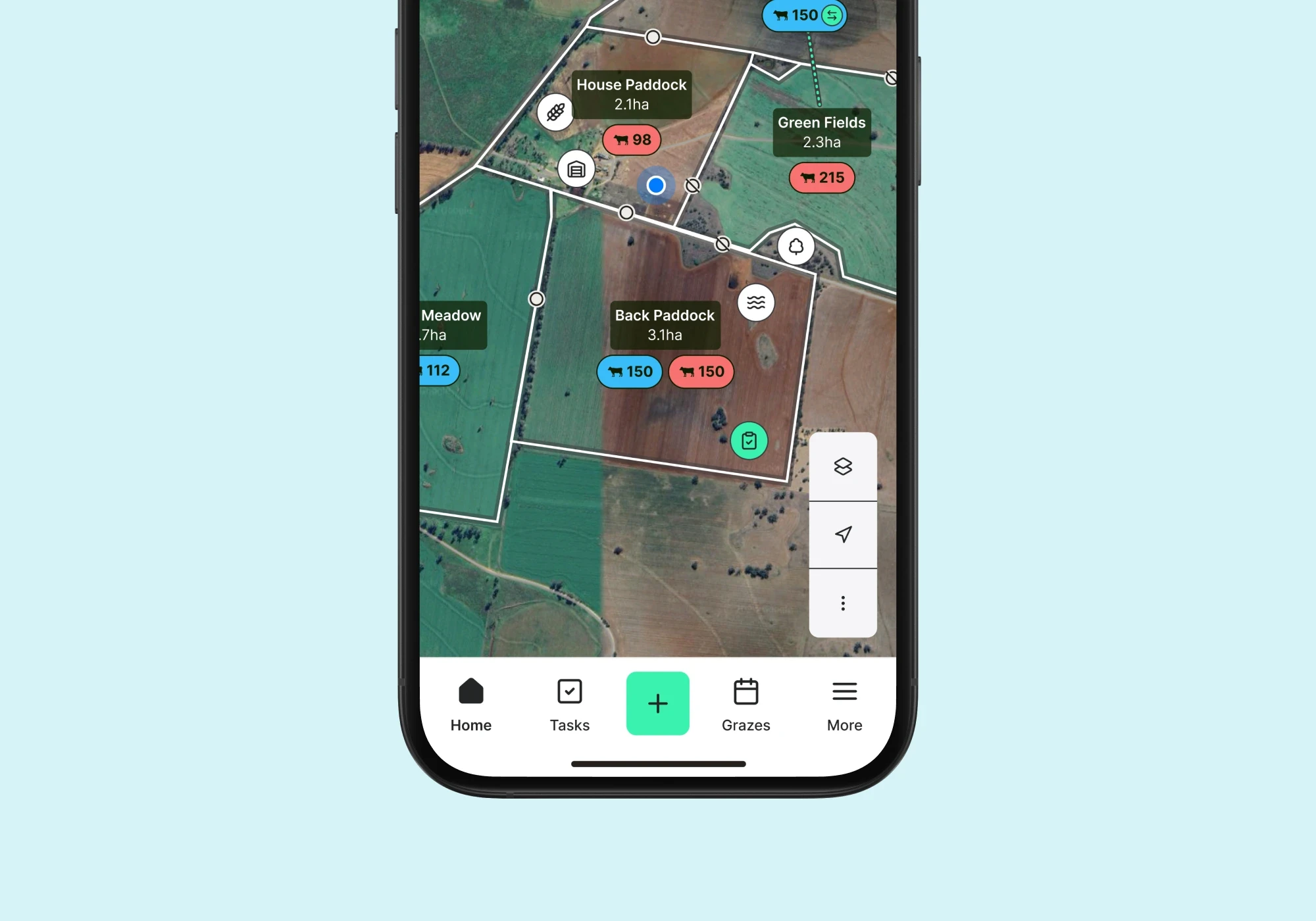
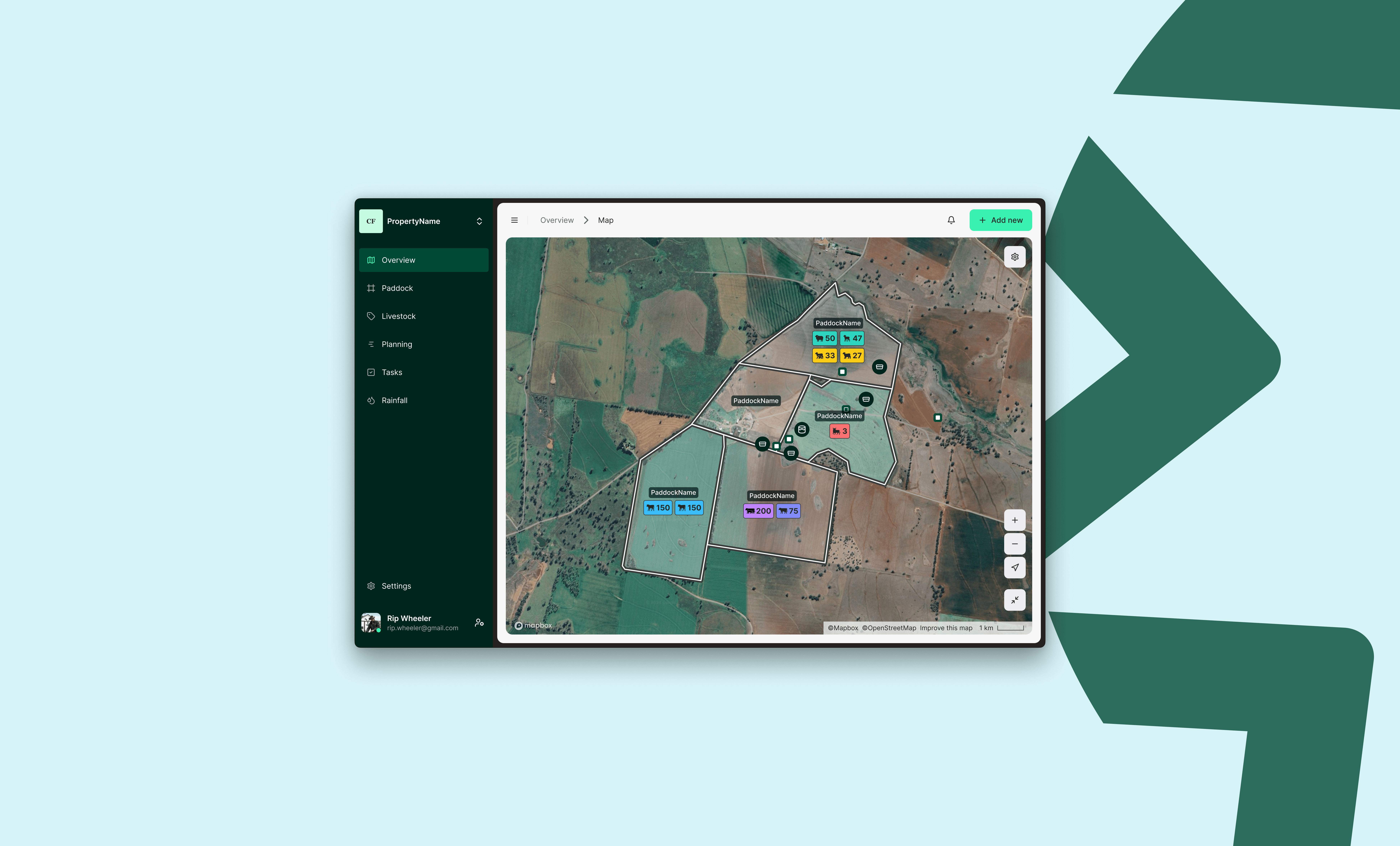
When Maia set out to reimagine its grazing platform, the goal wasn’t just to add features, it was to rebuild trust with the farmers using them. Maia is a farm management tool used by livestock farmers to manage grazing, track mob movements, and plan paddock use. But it had become heavy, disjointed, and hard to navigate. Lite users stalled out. Pro users hacked workarounds. Many left. The interface couldn’t keep up with the evolving needs of modern rotational grazing and carbon reporting. I was brought in to lead the design side of Maia’s most ambitious product shift to date: Maia ReImagined. ✅ Led discovery, product vision, and UI system delivery ✅ Interviewed 20+ farmers, churned users, and internal teams ✅ Created 6 design principles that guided UX and content ✅ Built out scalable UI for grazing, mob movement & task tracking ✅ Used AI tools (ChatGPT + V0) to prototype faster, validate sooner, and reduce dev rework Impact: - Delivered an MVP tested by regional grazing cohorts - Shifted product strategy to maturity-based onboarding - Reduced Lite churn and informed upgrade triggers - Established a scalable UI framework to support multi-tier products
When Maia set out to reimagine its grazing platform, the goal wasn’t just to add features, it was to rebuild trust with the farmers using them. Maia is a farm management tool used by livestock farmers to manage grazing, track mob movements, and plan paddock use. But it had become heavy, disjointed, and hard to navigate. Lite users stalled out. Pro users hacked workarounds. Many left. The interface couldn’t keep up with the evolving needs of modern rotational grazing and carbon reporting. I was brought in to lead the design side of Maia’s most ambitious product shift to date: Maia ReImagined. ✅ Led discovery, product vision, and UI system delivery ✅ Interviewed 20+ farmers, churned users, and internal teams ✅ Created 6 design principles that guided UX and content ✅ Built out scalable UI for grazing, mob movement & task tracking ✅ Used AI tools (ChatGPT + V0) to prototype faster, validate sooner, and reduce dev rework Impact: - Delivered an MVP tested by regional grazing cohorts - Shifted product strategy to maturity-based onboarding - Reduced Lite churn and informed upgrade triggers - Established a scalable UI framework to support multi-tier products
Discovery: What Farmers Told Us
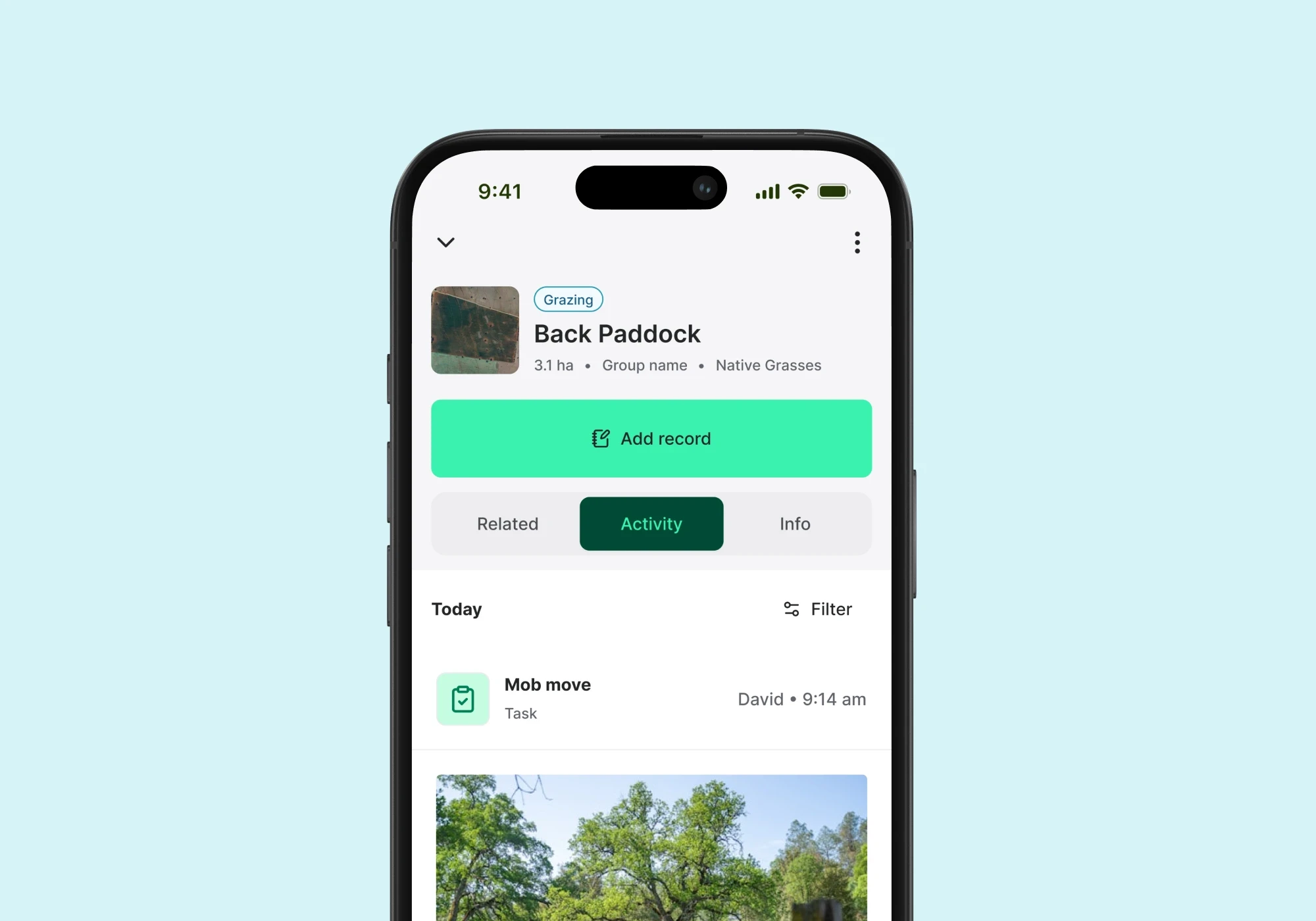
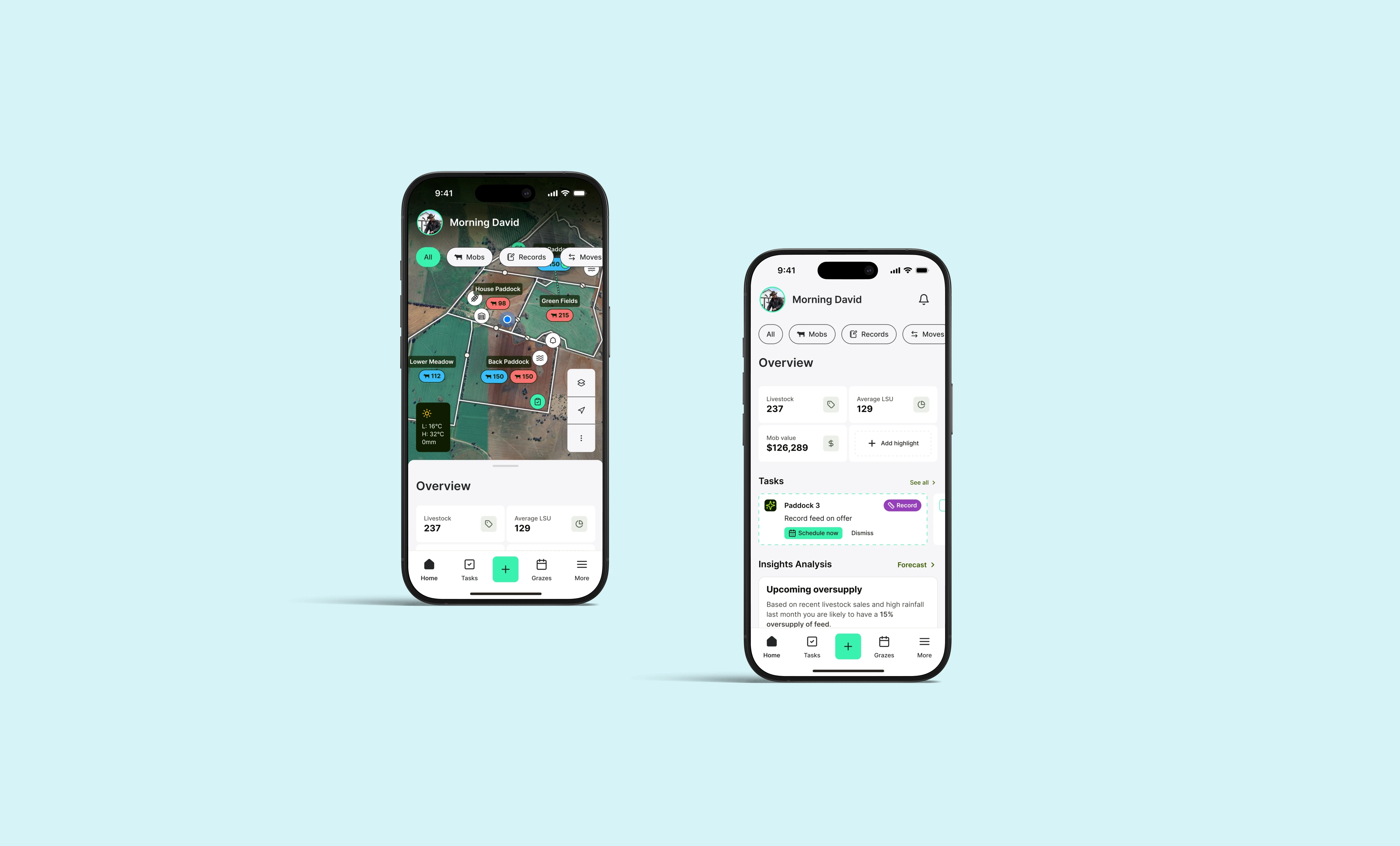
I led the full product design process from discovery through to a validated MVP. Deep research: I listened first. I spoke with over 20 farmers: new users, long-term customers, churned users, and farmers using competitor tools. Internal teams also helped map where the product was falling short and where the biggest opportunities lay. Mapped user maturity: Rather than focusing only on features, I designed around real user journeys. What does a first-time grazer need to feel confident? What keeps a carbon project lead in control? These questions shaped the experience. Redesigned the experience: I rebuilt core flows for grazing plans, mob movement, and task tracking, merging disjointed tools into one seamless view. Design principles: I created six principles that acted as a north star. Ideas like “Mentor, not Manual” and “One Task, One Screen” kept the team aligned and ensured we were designing with the farmer’s mindset at the center.
I led the full product design process from discovery through to a validated MVP. Deep research: I listened first. I spoke with over 20 farmers: new users, long-term customers, churned users, and farmers using competitor tools. Internal teams also helped map where the product was falling short and where the biggest opportunities lay. Mapped user maturity: Rather than focusing only on features, I designed around real user journeys. What does a first-time grazer need to feel confident? What keeps a carbon project lead in control? These questions shaped the experience. Redesigned the experience: I rebuilt core flows for grazing plans, mob movement, and task tracking, merging disjointed tools into one seamless view. Design principles: I created six principles that acted as a north star. Ideas like “Mentor, not Manual” and “One Task, One Screen” kept the team aligned and ensured we were designing with the farmer’s mindset at the center.
The Big Hurdles: Complex Tools, Stalled Growth
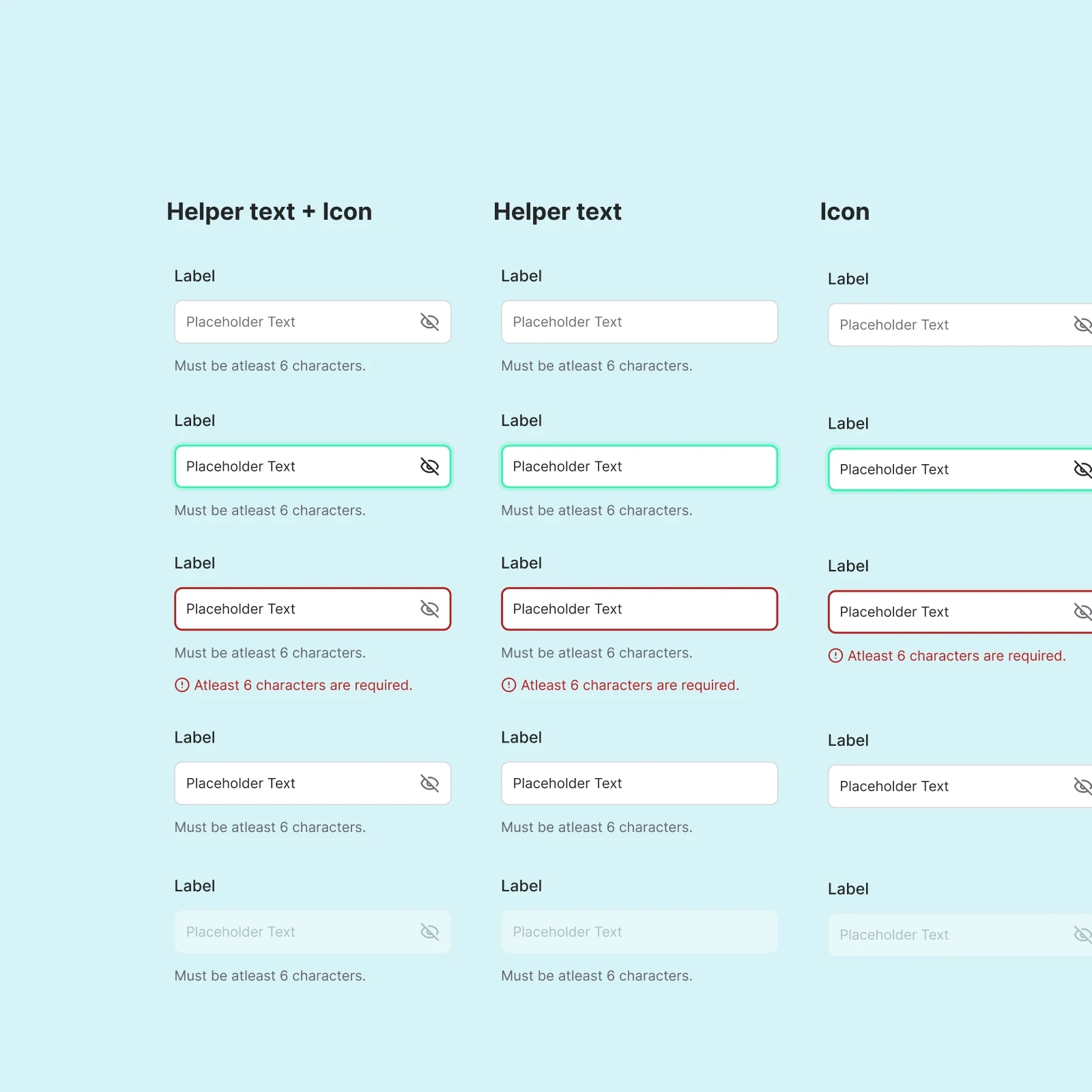
Despite strong product-market fit, Maia was seeing cracks in the experience: - Steep learning curves for aspirational users and newer farmers - Inconsistent UI making grazing decisions feel harder than they should - Legacy design debt creating friction across devices and modules - Feature-rich, but visually fragmented – slowing down user confidence and onboarding The challenge wasn’t just to modernise, it was to simplify and unify, while staying true to the advanced needs of experienced graziers and carbon farmers.
Despite strong product-market fit, Maia was seeing cracks in the experience: - Steep learning curves for aspirational users and newer farmers - Inconsistent UI making grazing decisions feel harder than they should - Legacy design debt creating friction across devices and modules - Feature-rich, but visually fragmented – slowing down user confidence and onboarding The challenge wasn’t just to modernise, it was to simplify and unify, while staying true to the advanced needs of experienced graziers and carbon farmers.
Building With Farmers, Not Just For Them
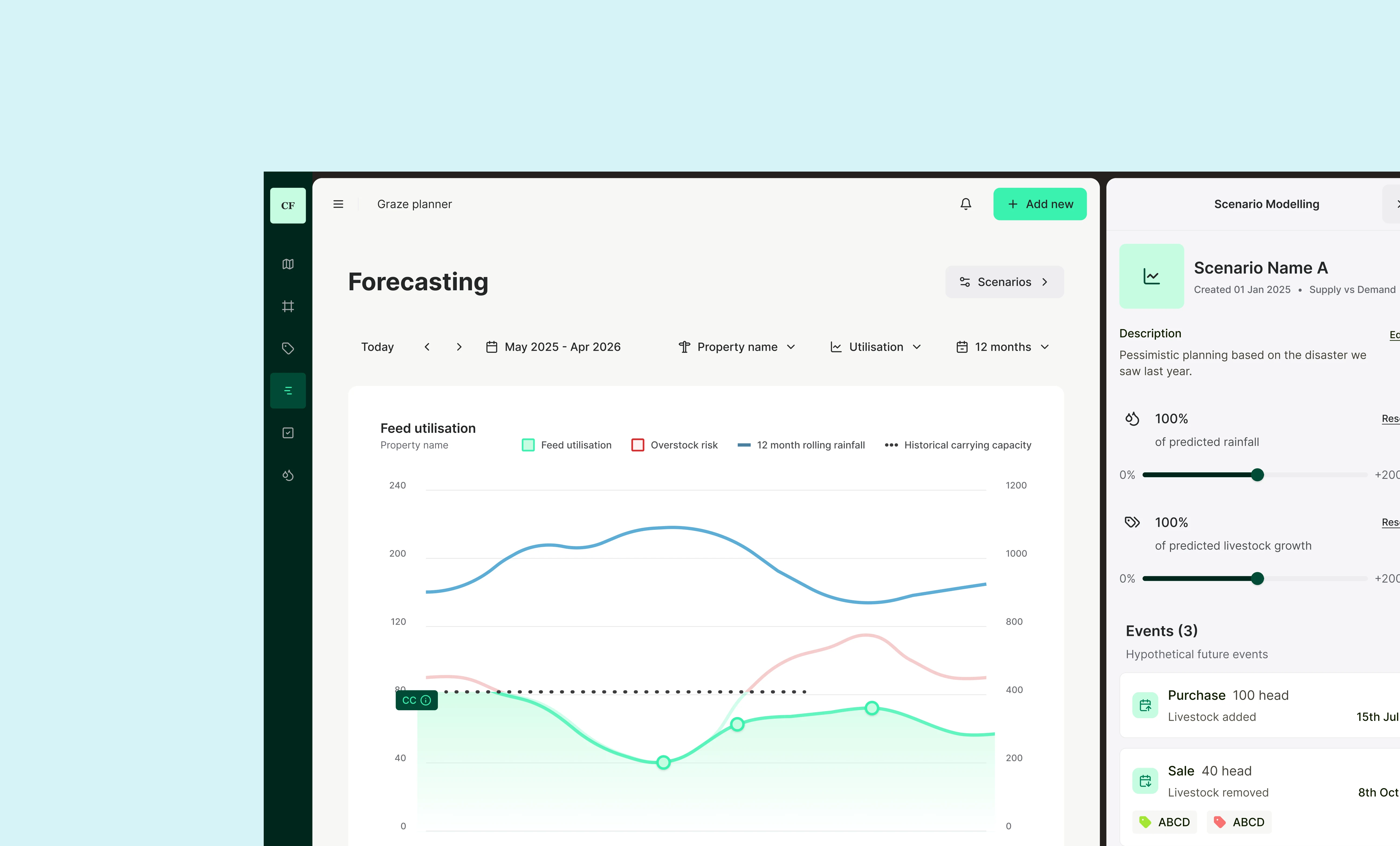
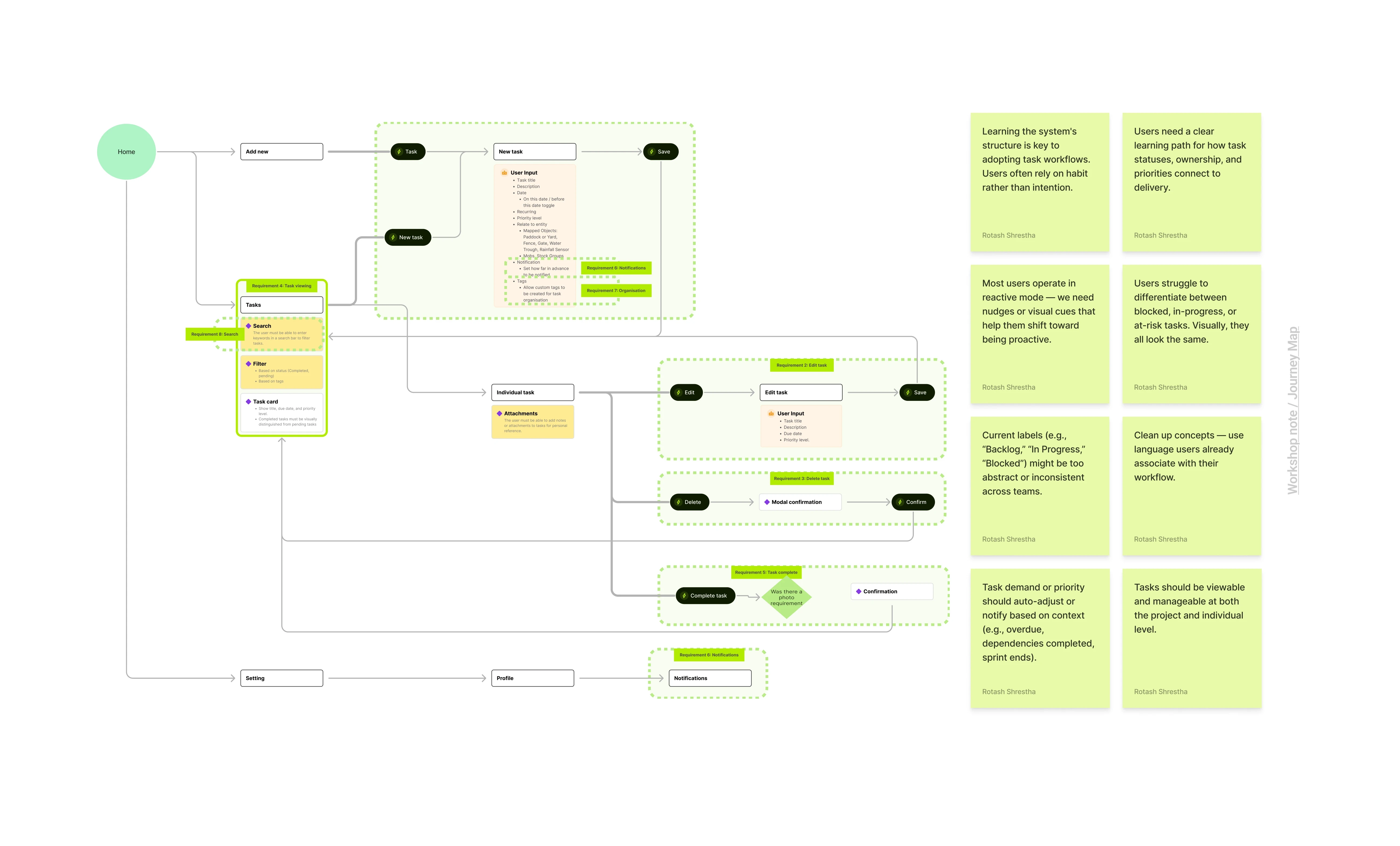
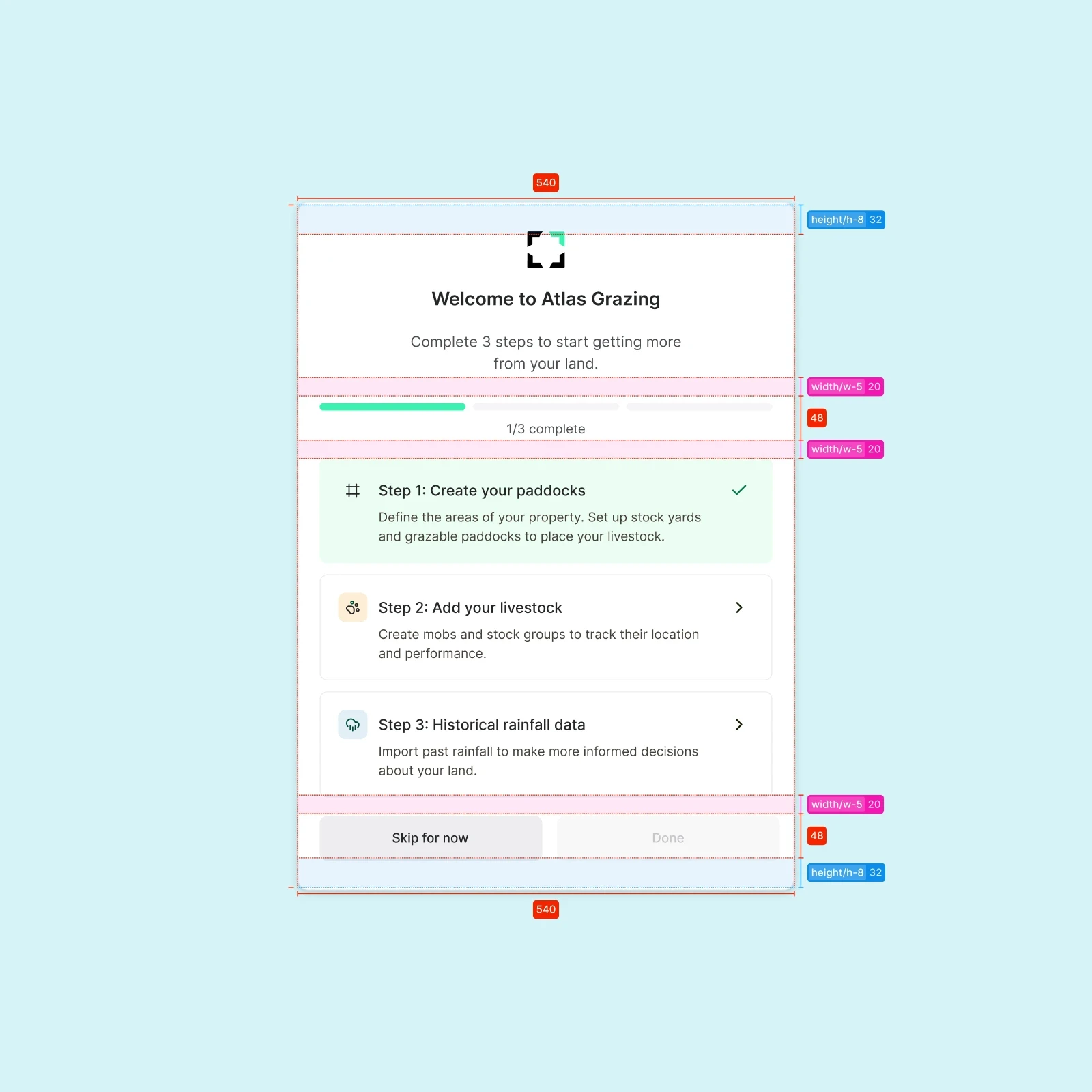
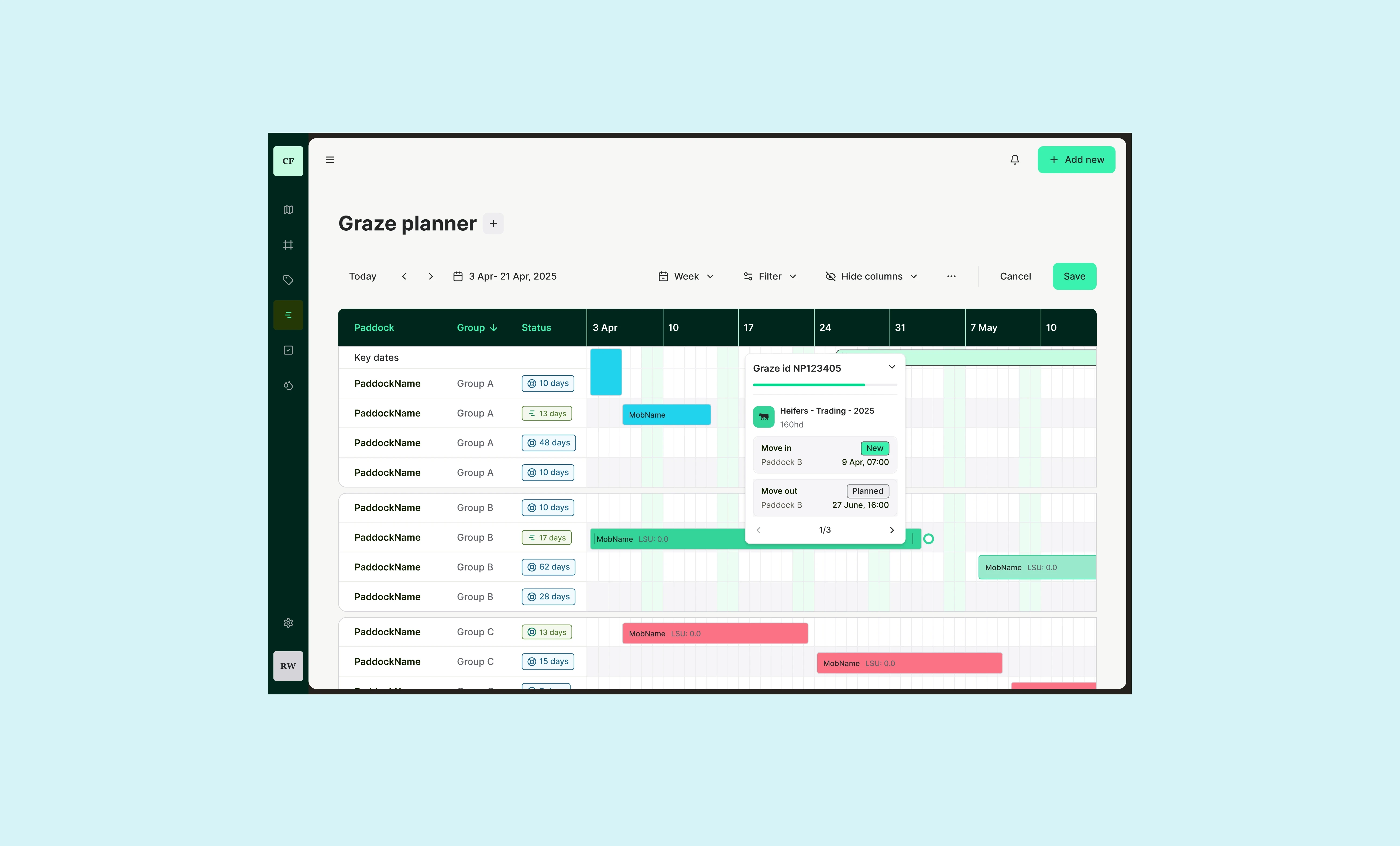
Redesigning the grazing experience meant combining mob movement, paddock planning, and task tracking into one intuitive flow. But complexity was high. We couldn’t afford to wait until polished designs to validate ideas. That’s when I introduced AI into the workflow. - ChatGPT acted as a thinking partner, mapping edge cases, refining user flows, and stress-testing concepts. - V0.dev let me generate functional UI components directly from prompts. These became live prototypes I used in stakeholder conversations to validate structure and interaction logic. Once aligned, I moved into Figma to finalise visuals, apply system standards, and prepare for development. This workflow reduced design-to-dev friction and let the team focus on solving real problems rather than pushing pixels.
Redesigning the grazing experience meant combining mob movement, paddock planning, and task tracking into one intuitive flow. But complexity was high. We couldn’t afford to wait until polished designs to validate ideas. That’s when I introduced AI into the workflow. - ChatGPT acted as a thinking partner, mapping edge cases, refining user flows, and stress-testing concepts. - V0.dev let me generate functional UI components directly from prompts. These became live prototypes I used in stakeholder conversations to validate structure and interaction logic. Once aligned, I moved into Figma to finalise visuals, apply system standards, and prepare for development. This workflow reduced design-to-dev friction and let the team focus on solving real problems rather than pushing pixels.