Industry
Oil and Gas
Client
BP p.l.c.
Modernising the fuel planning process
Modernising the fuel planning process
From Spreadsheets to Smart Supply
From Spreadsheets to Smart Supply
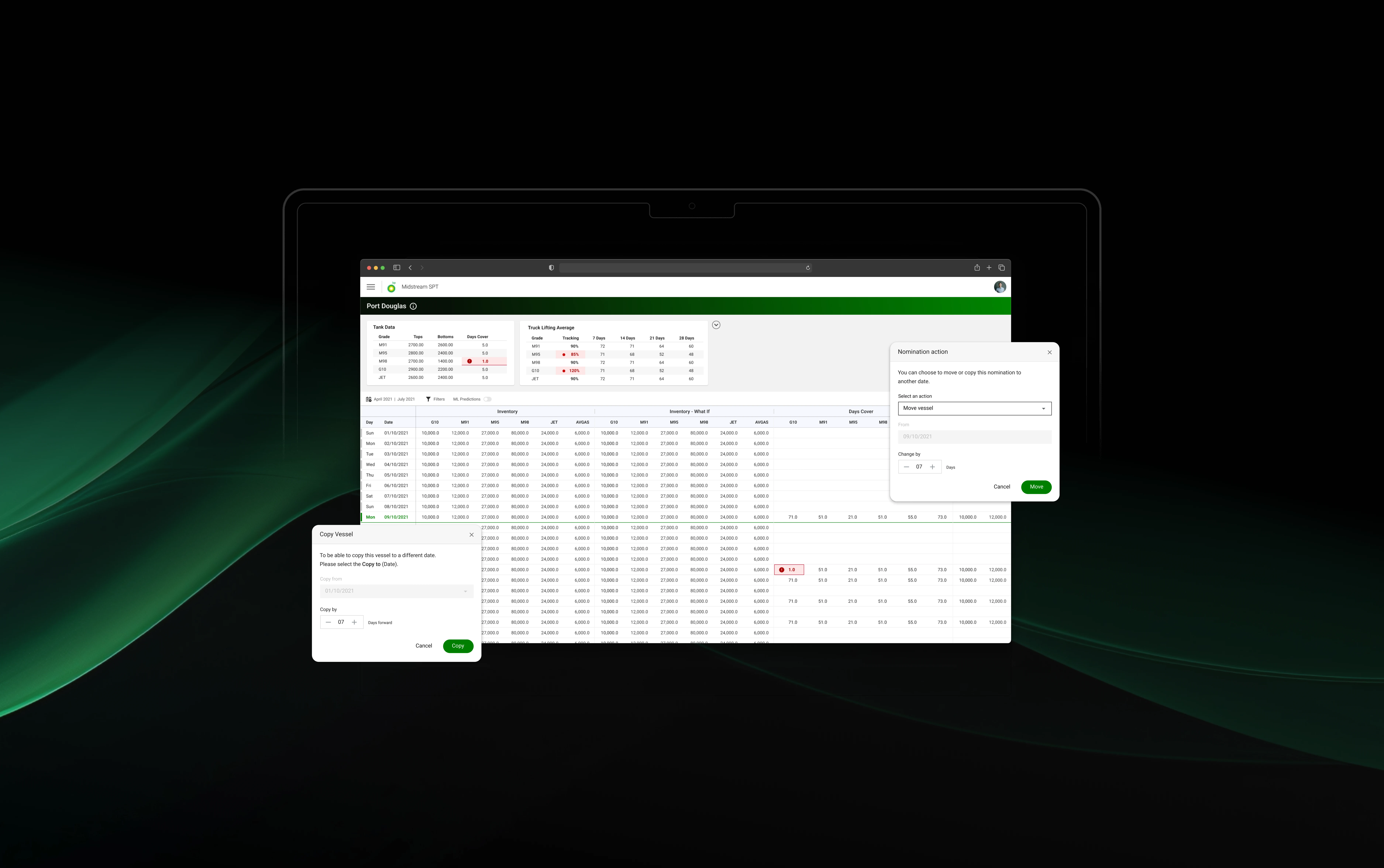
BP’s midstream fuel planning is critical for keeping supply flowing to customers without costly shortages or overstocks. But planners were navigating slow legacy systems, juggling disconnected data, and relying on spreadsheets for decisions that carried millions in impact. It was time-consuming, inconsistent, and risky. Our Slalom team partnered with BP to create a cloud-based web application that brought all the right data together, automated repetitive work, and introduced BP’s first machine learning prediction model for smarter forecasting. ⚠️ The Challenge - Data was scattered across SAP and other outdated systems, making automation and integration difficult - Heavy reliance on spreadsheets caused version control issues and slowed collaboration - Forecasting was largely manual, based on gut feel rather than data-driven models - No single source of truth for planners, schedulers, and operators to work from The result? Hours lost to chasing information, higher risk of supply disruptions, and a process that simply could not scale.
BP’s midstream fuel planning is critical for keeping supply flowing to customers without costly shortages or overstocks. But planners were navigating slow legacy systems, juggling disconnected data, and relying on spreadsheets for decisions that carried millions in impact. It was time-consuming, inconsistent, and risky. Our Slalom team partnered with BP to create a cloud-based web application that brought all the right data together, automated repetitive work, and introduced BP’s first machine learning prediction model for smarter forecasting. ⚠️ The Challenge - Data was scattered across SAP and other outdated systems, making automation and integration difficult - Heavy reliance on spreadsheets caused version control issues and slowed collaboration - Forecasting was largely manual, based on gut feel rather than data-driven models - No single source of truth for planners, schedulers, and operators to work from The result? Hours lost to chasing information, higher risk of supply disruptions, and a process that simply could not scale.
Discovery
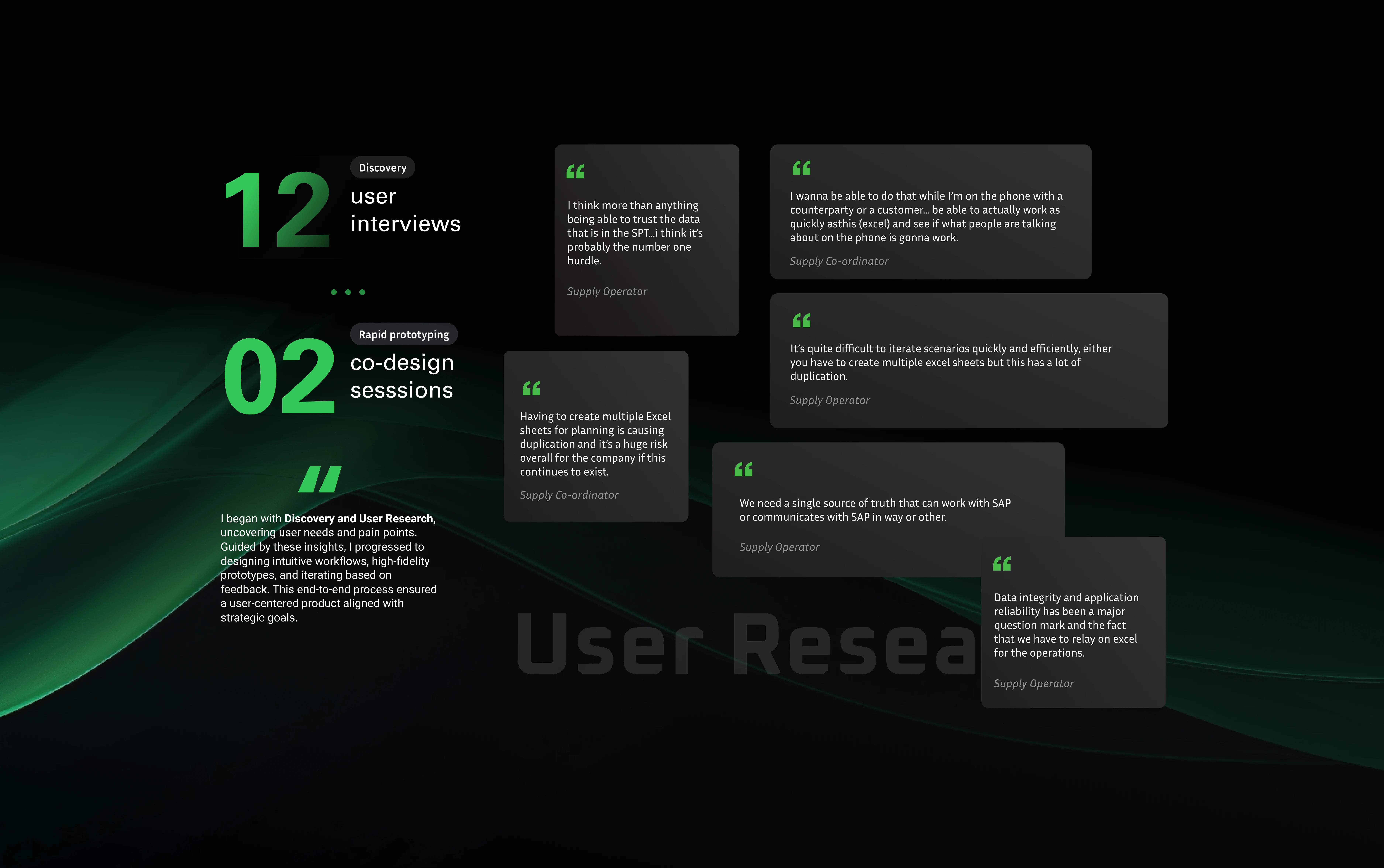
I co-led the discovery phase with my colleague Gemma Wong, who was the overall lead for this stage. Together, we worked closely with BP planners through interviews, site visits, and collaborative synthesis workshops. We mapped out the current planning process in detail, identified bottlenecks, and pinpointed where digital solutions could make the biggest impact. 🔎 What we found - Planners had deep operational expertise and could anticipate problems early - Appetite for a better tool was high, but spreadsheets felt faster and more familiar - Data lived in multiple slow, disconnected systems that did not talk to each other - Forecasting tools were limited, with no centralised way to predict demand accurately
I co-led the discovery phase with my colleague Gemma Wong, who was the overall lead for this stage. Together, we worked closely with BP planners through interviews, site visits, and collaborative synthesis workshops. We mapped out the current planning process in detail, identified bottlenecks, and pinpointed where digital solutions could make the biggest impact. 🔎 What we found - Planners had deep operational expertise and could anticipate problems early - Appetite for a better tool was high, but spreadsheets felt faster and more familiar - Data lived in multiple slow, disconnected systems that did not talk to each other - Forecasting tools were limited, with no centralised way to predict demand accurately
Designing the Solution
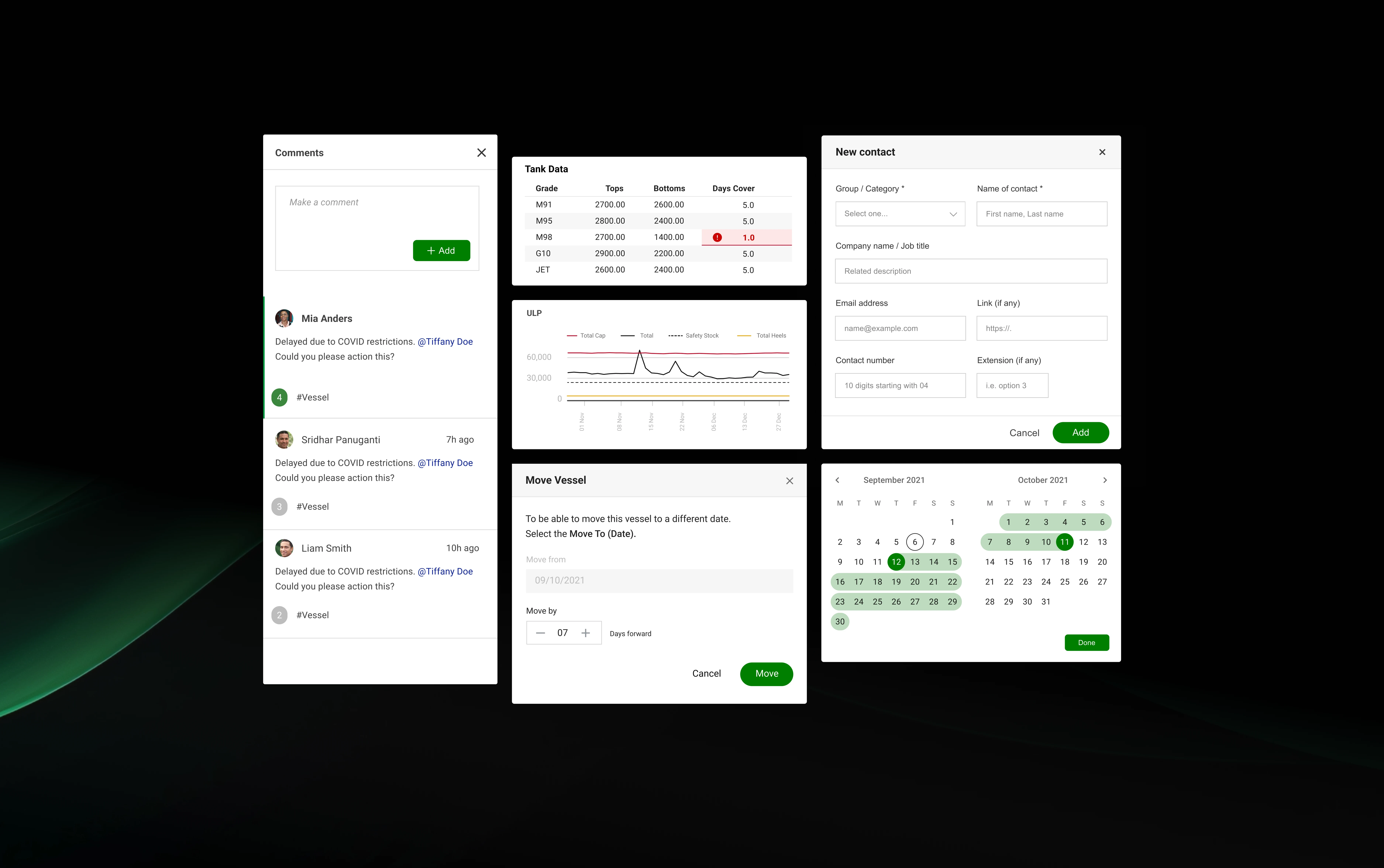
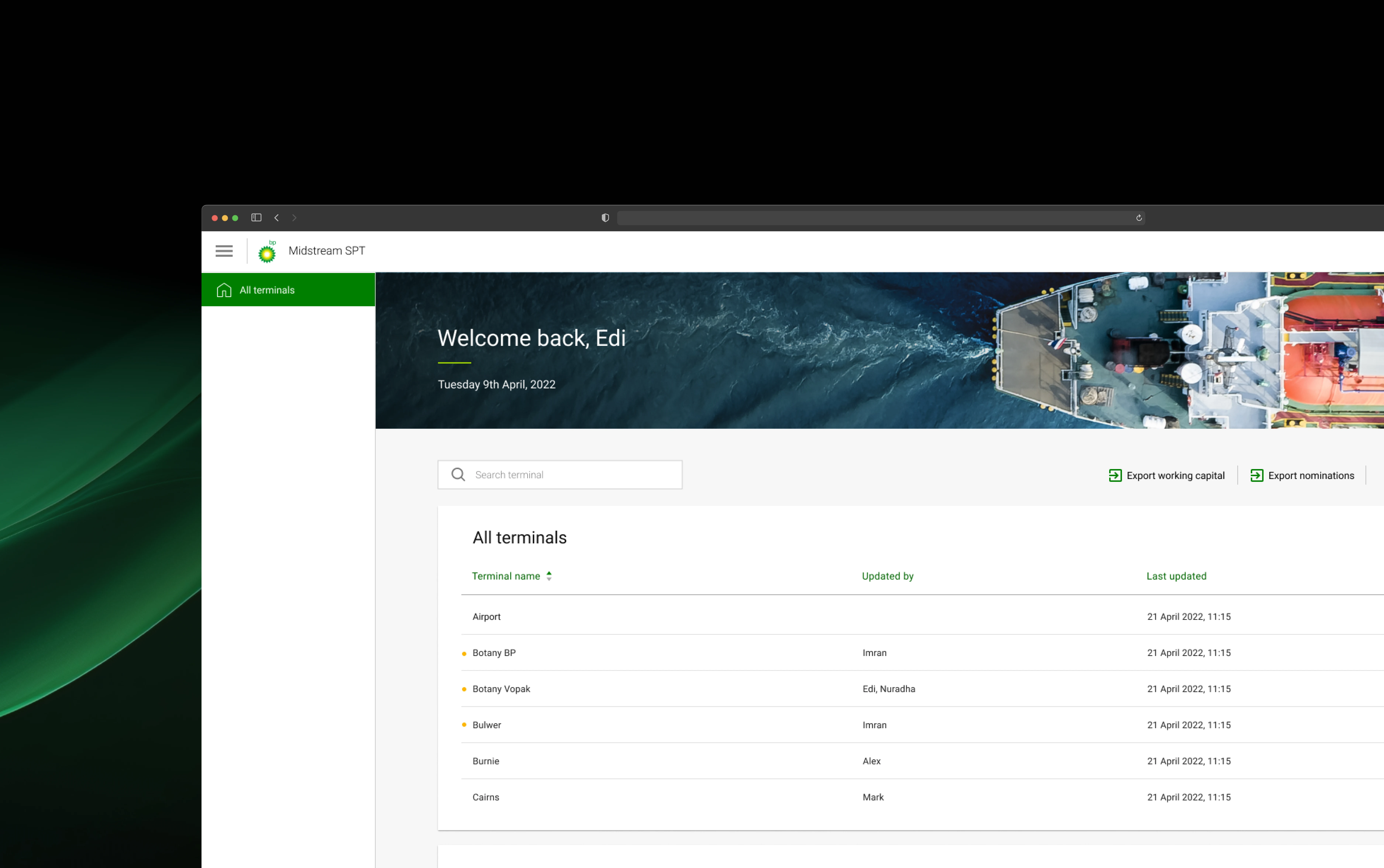
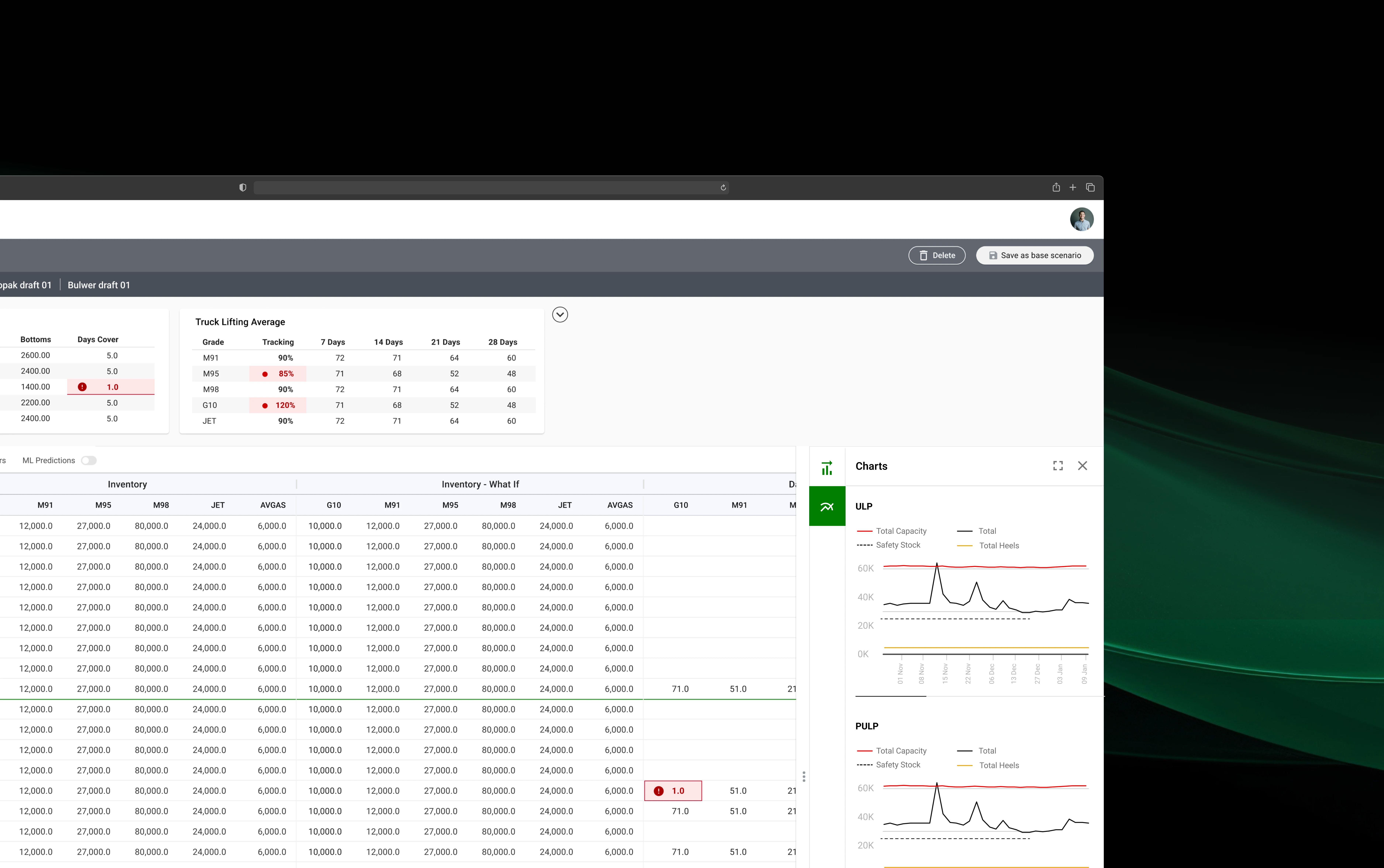
I led the design delivery from insights to MVP. My focus was on creating an experience that was simple, connected, and trustworthy enough to replace spreadsheets. 👨🏽🎨 Key design moves - Streamlined workflows into a single interface that pulled data from all the right sources - Ran co-design sessions with planners to shape solutions together and validate flows early - Used and contributed back to the BP Core Design System, increasing its maturity and ensuring consistency - Worked with data engineers to integrate BP’s first machine learning prediction model into the planning interface - Partnered with developers from the start to align on feasibility and avoid rework
I led the design delivery from insights to MVP. My focus was on creating an experience that was simple, connected, and trustworthy enough to replace spreadsheets. 👨🏽🎨 Key design moves - Streamlined workflows into a single interface that pulled data from all the right sources - Ran co-design sessions with planners to shape solutions together and validate flows early - Used and contributed back to the BP Core Design System, increasing its maturity and ensuring consistency - Worked with data engineers to integrate BP’s first machine learning prediction model into the planning interface - Partnered with developers from the start to align on feasibility and avoid rework
Overcoming Adoption Barriers
The first release faced pushback. Many planners still preferred spreadsheets, which felt faster and under their control. Adoption improved when we: - Introduced scenario planning so users could create drafts, explore options, and commit to a final plan, which boosted data integrity and confidence - Made ML predictions more transparent by showing how they compared to historical data - Improved integration with SAP so data entry was reduced and system performance improved - These changes turned scepticism into trust and made the tool part of planners’ daily workflow.
The first release faced pushback. Many planners still preferred spreadsheets, which felt faster and under their control. Adoption improved when we: - Introduced scenario planning so users could create drafts, explore options, and commit to a final plan, which boosted data integrity and confidence - Made ML predictions more transparent by showing how they compared to historical data - Improved integration with SAP so data entry was reduced and system performance improved - These changes turned scepticism into trust and made the tool part of planners’ daily workflow.